• Welcome to

    AGRICULTURE FOR SUSTAINABLE DEVOLOPMENT

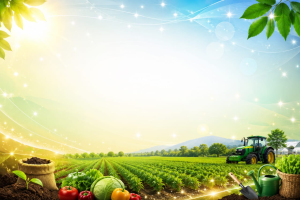
    Welcome to Agriculture for a sustainable future focuses on innovative practices that prioritize environmental stewardship, economic viability, and social equity within farming systems. This approach emphasizes methods that not only enhance productivity but also safeguard natural resources for future generations.

    Sustainable agriculture incorporates techniques such as crop rotation, organic farming, and integrated pest management, allowing for healthier ecosystems and improved soil health. By using fewer chemical inputs and promoting biodiversity, sustainable practices ensure the long-term viability of agricultural lands.

    Furthermore, this approach encourages community engagement and supports local economies, fostering resilience against climate change and market fluctuations. Sustainable agriculture also emphasizes the importance of education and knowledge sharing among farmers, enabling them to adopt practices that are both environmentally responsible and economically beneficial.

    The sustainable agriculture community is an active network of farmers, researchers, and educators dedicated to advancing practices that protect the planet while feeding its inhabitants. By collaborating and sharing resources, the community works towards continuous innovation, ensuring that agriculture evolves in harmony with nature.

    In summary, "Agriculture for a Sustainable Future" serves as a guiding principle for the agricultural sector, emphasizing the importance of sustainability in achieving food security while maintaining ecological balance.

    (You can edit or remove this text)

Available courses

Course Overview:
This course provides a comprehensive introduction to the fundamental principles of crop production. Students will examine the biological, environmental, and economic factors that influence crop growth and yield. The course is designed for those interested in agronomy, sustainable agriculture, and food production systems.

Key Topics:

  • Plant Biology: Understanding plant structure, function, and the growth processes.
  • Soil Management: Exploring soil properties, fertility, and the importance of soil health for crop production.
  • Crop Selection and Management: Methods to select appropriate crops based on climate, soil types, and market demand.
  • Pest and Disease Management: Strategies for managing pests and diseases to protect crop yields.
  • Sustainable Practices: Techniques for sustainable farming, including conservation tillage, crop rotation, and integrated pest management.

Course Description:

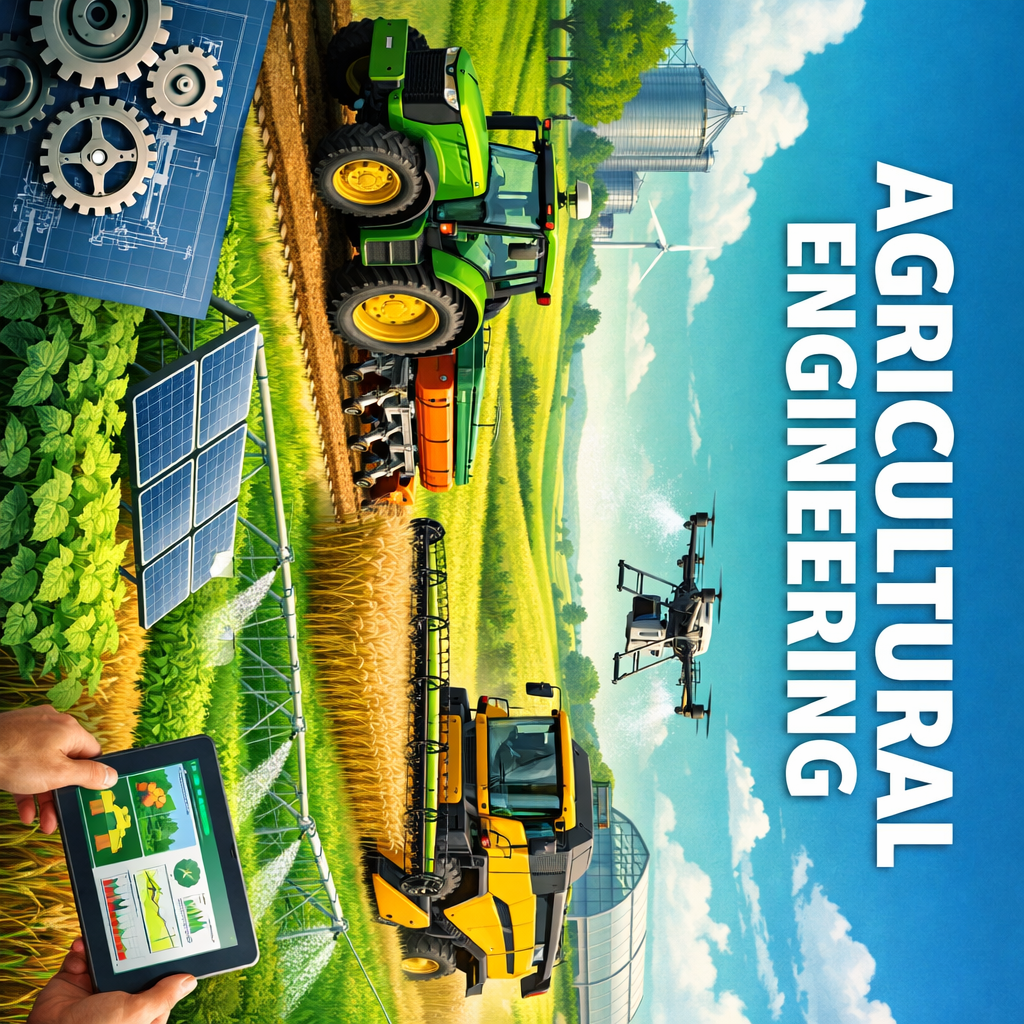
The Agricultural Engineering course provides an interdisciplinary approach to understanding the principles of engineering as applied to agricultural systems. Students will explore the design, development, and improvement of equipment and facilities used in agriculture, as well as the management of natural resources.

Key Topics Include:

  • Soil and Water Engineering: Study the management of water resources, irrigation systems, and soil conservation techniques.
  • Machinery and Equipment Design: Explore the design and development of agricultural machinery, tools, and equipment for efficiency and sustainability.
  • Crop Production Technology: Learn about the engineering principles that enhance crop production, including plant mechanics and yield optimization.
  • Food Processing and Storage: Understand the engineering aspects of food preservation, processing techniques, and storage solutions to reduce waste and enhance food safety.
  • Environmental Impact: Analyze the effects of agricultural practices on the environment and explore sustainable practices to mitigate negative impacts.

Site announcements

There are no discussion topics yet in this forum.